

 See My Latest Article on HelloNation
Why does insulation affect summer comfort?
Proper insulation helps keep a home cooler by slowing the movement of heat through the building envelope. During a summer heat wave, outdoor heat naturally moves toward cooler indoor spaces. Insulation reduces that transfer, allowing indoor temperatures to remain more stable and reducing the amount of work required from air-conditioning equipment.
Insulation does not produce cool air. Instead, it helps preserve the cool air already inside the home. This distinction matters because a house can have a powerful cooling system and still become uncomfortable if heat is entering through the attic, walls, ceiling, floors, windows, or air leaks.
For Albany, summer conditions can include hot, humid stretches followed by cooler evenings. A well-insulated home responds more gradually to outdoor temperature changes, which can improve comfort throughout the day and night.
How does attic insulation keep rooms cooler?
The attic is often one of the largest sources of summer heat gain. Sunlight warms the roof surface, and that heat raises attic temperatures. Without enough insulation between the attic and the living space, heat can move downward through the ceiling.
Adequate attic insulation creates resistance between the hot attic and the rooms below. This is particularly helpful for second-floor bedrooms, where occupants often notice heat first. Insulation can also reduce the amount of heat reaching ceiling materials, recessed fixtures, ductwork, and upper-level walls.
Air sealing should be considered along with insulation. Gaps around plumbing pipes, electrical wiring, light fixtures, attic hatches, and chimneys can allow hot attic air to enter the home directly. Insulation slows conductive heat transfer, but it cannot fully stop air movement through open cracks.
A properly insulated and air-sealed attic may help:
- Keep upper floors more comfortable during the afternoon
- Reduce temperature differences between floors
- Lower the cooling load on central air-conditioning systems
- Reduce heat entering through the ceiling
- Improve comfort in rooms beneath unfinished attic areas
Can wall insulation make a difference in summer?
Yes. Wall insulation reduces heat transfer through exterior walls, although the effect may be less noticeable than attic improvements in some homes. The benefit depends on the type, thickness, condition, and continuity of the existing insulation.
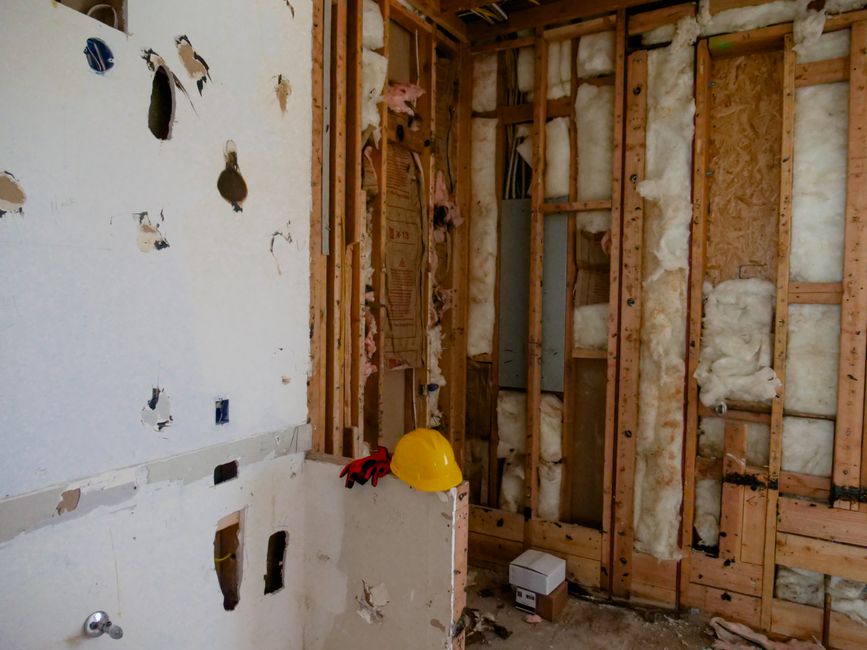
Older homes may have wall cavities with little insulation, settled insulation, or gaps around windows and doors. Some walls may also contain insulation that has been disturbed during remodeling or electrical work. These weak areas can create hot spots along exterior walls.
Wall insulation works best when it forms a continuous thermal boundary. Compressed, missing, or uneven insulation leaves pathways for heat to move indoors. Air leakage around windows, doors, outlets, baseboards, and utility penetrations can also undermine otherwise adequate wall insulation.
In homes with masonry walls, additions, enclosed porches, or mixed construction, the insulation approach may vary from one section of the structure to another. Understanding the building’s construction is necessary before assuming that adding material in one area will solve every comfort problem.
Why is air sealing just as important as insulation?
Insulation and air sealing address different problems. Insulation slows heat transfer through solid materials, while air sealing limits the movement of air through cracks and openings.
A small opening can allow a surprising amount of hot, humid air into a home, especially when pressure differences pull air through the building envelope. Common leakage points include:
- Attic access panels
- Plumbing and wiring penetrations
- Gaps around ductwork
- Window and door frames
- Basement rim-joist areas
- Gaps around chimneys and flues
- Recessed lighting openings
- Cracks between walls, ceilings, and floors
During summer, air leaks can bring both heat and moisture indoors. That may make rooms feel warmer and stickier even when the thermostat shows a reasonable temperature. Sealing these pathways can improve the effectiveness of existing insulation and reduce the need for continuous air-conditioning.
Air sealing near combustion appliances, chimneys, and fuel-burning equipment requires particular care. Blocking or altering required ventilation openings can create safety risks. Work in these areas should follow applicable safety requirements.
Does insulation reduce humidity?
Insulation alone does not dehumidify a home, but it can help limit conditions that contribute to moisture problems. When warm, humid outdoor air enters through leaks and reaches cooler surfaces, condensation may form.
A better-insulated and better-sealed home gives the cooling system more control over indoor temperature and humidity. However, moisture management also depends on ventilation, drainage, basement conditions, ductwork, and air-conditioning operation.
If a home feels damp despite being cool, possible causes may include:
- Oversized or short-cycling air-conditioning equipment
- Basement or crawl-space moisture
- Outdoor air entering through leaks
- Poor bathroom or kitchen exhaust
- Wet duct insulation
- Condensation on cold pipes or surfaces
Insulation should not be used to cover an active moisture problem. Wet insulation may lose effectiveness and can contribute to deterioration or mold-related concerns, depending on the materials and surrounding conditions.
What signs suggest a home needs better insulation?
Uneven temperatures are among the clearest signs. A home may need attention if upstairs rooms become much hotter than lower rooms, certain exterior walls feel warm, or cooling equipment runs for long periods during moderate weather.
Other clues include:
- Noticeable temperature changes near ceilings or exterior walls
- Rooms that are difficult to cool even with closed blinds
- High attic temperatures combined with a hot upper floor
- Drafts or outdoor odors near trim, outlets, or attic access
- Ice dams in winter, which can indicate uneven attic insulation or air leakage
- Insulation that appears thin, compressed, displaced, or absent
- Large differences between thermostat readings and actual room comfort
These signs do not always prove that insulation is the only problem. Solar heat through windows, duct leakage, roof color, shading, appliance heat, and air-conditioning performance can also affect indoor temperatures.
What types of insulation are used in homes?
Common insulation materials include fiberglass, cellulose, rigid foam, and spray-applied foam. Each has different characteristics related to air sealing, moisture behavior, installation limits, fire safety, and space requirements.
Fiberglass and cellulose are commonly used in attics and wall cavities. Rigid foam can provide continuous insulation in selected assemblies, while spray-applied foam may combine insulation with air sealing when installed correctly.
The right choice depends on the location being improved, the existing materials, available space, moisture exposure, ventilation design, and local building requirements. More insulation is not automatically better if it blocks necessary ventilation, traps moisture, covers unsafe wiring, or is installed without addressing air leaks.
How can residents improve summer comfort without over-insulating?
Start by identifying where heat is entering. Attic conditions, ceiling insulation, air leaks, window exposure, ductwork, and air-conditioning performance should be considered together rather than treated as separate issues.
Simple measures can also support insulation performance:
- Keep attic ventilation pathways clear where the roof design requires them.
- Use shades or blinds on windows receiving strong afternoon sunlight.
- Keep attic access panels properly fitted and insulated.
- Avoid storing items against soffit or roof ventilation areas.
- Check that supply and return vents are not blocked.
- Look for moisture damage before adding insulation.
- Maintain clear separation from heat-producing equipment and fixtures.
A cooler home depends on a complete thermal and air barrier, not just a thick layer of material in one location. In Albany, where homes range from older structures to newer construction and summer weather can shift quickly, insulation improvements are most effective when they account for the entire building envelope and the way the home is used.