

 See My Latest Article on HelloNation
Older homes in Albany, NY often have solid construction, durable materials, and plenty of character—but their insulation systems may be incomplete, uneven, or outdated. Improving insulation can make rooms more comfortable, reduce drafts, help control heating costs, and protect the building from moisture-related damage.
The safest approach is not to add insulation everywhere at once. Older houses need to be evaluated as systems, including the roof, walls, foundation, windows, ventilation, wiring, and moisture conditions.
Where do older homes usually lose heat?
Most heat loss occurs through the attic or roof area, exterior walls, windows and doors, rim joists, and the basement or crawl space. In a multi-story house, the upper levels may feel cold because warm air escapes upward through gaps around attic hatches, light fixtures, chimneys, plumbing pipes, and electrical penetrations.
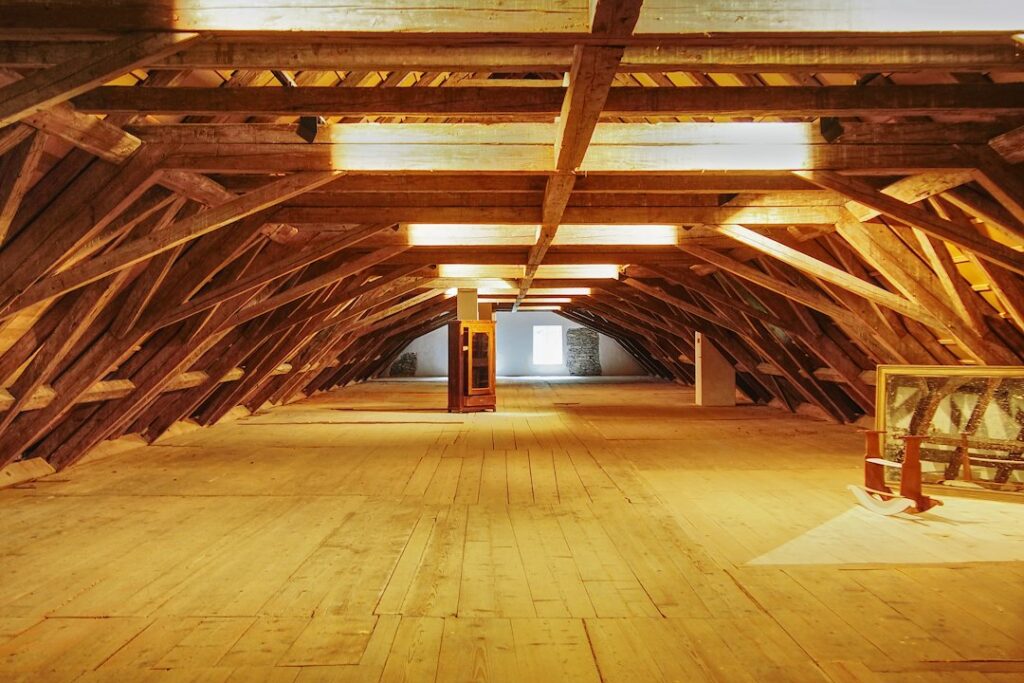
The attic is often the most practical place to begin because heat naturally rises and many older attics have shallow or inconsistent insulation. A well-insulated attic can also reduce the formation of ice dams by keeping the roof surface colder and limiting heat escaping from the living space.
Common weak points include:
- Uninsulated attic floors
- Compressed or settled insulation
- Gaps around attic access panels
- Exposed ductwork or water pipes
- Unsealed openings around chimneys and plumbing
- Thin insulation between basement ceiling joists
- Drafty rim joists along the foundation
- Exterior walls with little or no cavity insulation
A simple visual inspection can reveal problems, but hidden conditions may require a more careful assessment before new material is installed.
Should the attic be insulated before the walls?
Usually, the attic and air leaks between the home and attic should be addressed first. Attic improvements are generally less disruptive than opening finished walls, and they often provide a noticeable improvement in comfort.
Air sealing and insulation are different tasks. Insulation slows heat movement, while air sealing blocks uncontrolled airflow. Adding insulation over major air leaks can hide the problem without solving it. Before insulating, inspect areas around:
- Attic stairs or hatch covers
- Recessed lights and electrical boxes
- Plumbing and heating penetrations
- Chimneys and masonry features
- Top plates where walls meet the attic floor
- Ducts passing through the ceiling
Materials near heat-producing equipment must be handled carefully. Some older homes also contain wiring or fixtures that require special clearance from insulation. If the attic has knob-and-tube wiring, damaged electrical components, vermiculite insulation, or deteriorated materials, insulation work should pause until the condition is properly evaluated.
How can wall insulation be improved without damaging an older home?
Wall insulation is more complicated than attic insulation because the wall cavities are hidden and older construction varies widely. Some homes have balloon framing, irregular stud spacing, plaster walls, masonry sections, or cavities partly filled with old materials.
Adding insulation through small exterior or interior openings may be possible, but the wall assembly must be suitable. If moisture enters through siding, flashing, masonry, or roof details, new insulation can make drying more difficult and increase the risk of concealed damage.
Before wall insulation is added, look for:
- Peeling paint or staining near exterior walls
- Soft wood around windows and doors
- Cracked or deteriorated masonry
- Persistent musty odors
- Evidence of wind-driven rain
- Previous repairs that may have blocked drainage
Older plaster walls should not automatically be removed. They can contribute to the durability and air-tightness of the building when they remain in good condition. In some cases, targeted air sealing around trim, baseboards, outlets, and penetrations improves comfort without major demolition.
What should be done about basement and crawl-space insulation?
Basements and crawl spaces affect both comfort and indoor air quality. Cold floors above an unfinished basement are often caused by heat loss through the floor or air leakage around the rim joist. In damp areas, however, insulation should not be installed until water entry and moisture problems are addressed.
A basement inspection should include:
- Standing water or seasonal dampness
- Foundation cracks and seepage
- Uninsulated rim joists
- Exposed pipes and ducts
- Drafts around utility openings
- Signs of mold or wood decay
- Soil or groundwater moisture in crawl spaces
For a basement with regular moisture, insulating the foundation walls may require a carefully designed approach. Materials that absorb water can become ineffective or create concealed drying problems. Crawl spaces may need ground moisture control, ventilation changes, or air sealing before insulation is considered.
Never cover active leaks with insulation. The result may be a warmer surface but a hidden moisture problem.

How does Albany’s winter climate affect insulation decisions?
Cold winters, freeze-thaw cycles, wind, and snow make air leakage and moisture control especially important for local homes. Drafts are often most noticeable near exterior doors, attic stairs, older windows, floor edges, and electrical outlets on outside walls.
Winter comfort problems are not always caused by low insulation levels. A room may feel cold because of:
- Air leaks around the window frame
- Cold floors over a basement
- Poorly balanced heating airflow
- Wind entering through siding or trim
- Moisture-damaged insulation
- A large uninsulated surface near a stairwell or porch
Sealing drafts without considering ventilation can also create problems. Homes that use fuel-burning appliances need proper combustion air and safe exhaust pathways. Bathroom fans, kitchen exhaust, and clothes dryers should vent outdoors rather than into an attic or wall cavity.
Is old insulation safe to leave in place?
Sometimes, but not always. Insulation that is dry, clean, and properly installed may be reusable. Insulation that is wet, moldy, compressed, contaminated by pests, or mixed with hazardous materials should be evaluated before it is disturbed.
Older houses may contain materials that require special precautions, including asbestos-containing insulation or pipe wrap, lead-based paint near work areas, and vermiculite insulation that may contain asbestos. These materials should not be cut, swept, or removed casually.
Protective clothing and respiratory protection are not substitutes for identifying an unknown material. If insulation appears unusual, loose, contaminated, or associated with older heating equipment, testing and regulated handling may be necessary.
What insulation mistakes are common in older homes?
The most common mistake is treating insulation as a simple layer of material rather than part of the building envelope. Several problems can reduce performance:
- Covering blocked soffit vents and restricting attic ventilation
- Insulating over roof leaks or damp framing
- Sealing around unsafe chimneys with unsuitable materials
- Filling wall cavities without checking for moisture paths
- Ignoring rim joists and other major air-leak locations
- Compressing batts so they no longer provide their rated value
- Installing insulation around wiring without required clearances
- Closing crawl spaces without controlling ground moisture
- Assuming thicker insulation always solves comfort problems
Ventilation and insulation must work together. Attic insulation should not obstruct intended airflow from soffits to ridge or gable vents. At the same time, ventilation does not replace air sealing at the ceiling plane.
What is a sensible insulation plan for an older house?
Start with observation rather than removal. Record which rooms are uncomfortable, where drafts occur, whether moisture appears seasonally, and how the attic, basement, and exterior walls are constructed.
A practical sequence is:
1. Check for roof, plumbing, foundation, and window leaks.
2. Inspect attic, basement, crawl-space, and rim-joist conditions.
3. Identify hazardous or questionable existing materials.
4. Seal major air leaks where it is safe to do so.
5. Improve attic insulation and preserve required ventilation.
6. Address basement or crawl-space moisture before insulating.
7. Consider wall insulation only after the wall assembly is understood.
8. Recheck indoor humidity, drafts, and room temperatures after each stage.
For older housing, careful diagnosis usually matters more than using the greatest possible amount of insulation. The best result is a dry, continuous, well-sealed building envelope that remains compatible with the home’s existing structure.