

 See My Latest Article on HelloNation
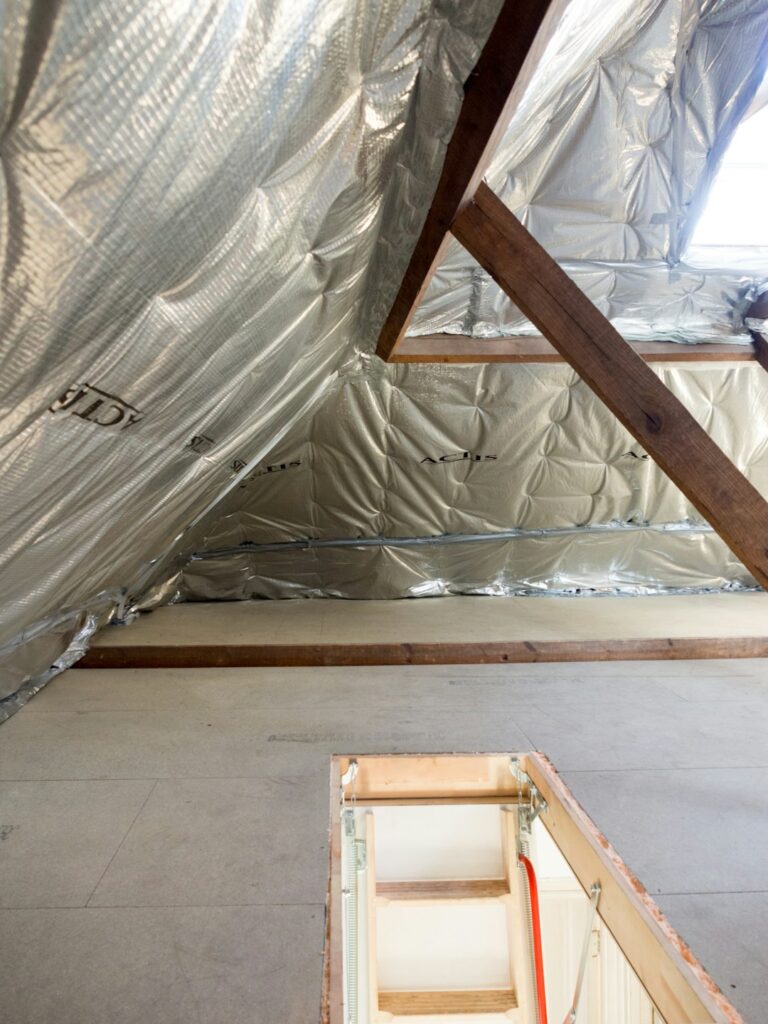
Why does attic insulation matter so much in Albany, NY?
Attic insulation helps slow heat loss in winter and heat gain during summer. In a cold, heating-dominated climate, an underinsulated attic can make upper-floor rooms uncomfortable, increase heating demand, and contribute to uneven temperatures throughout the home.
Many area houses have unfinished attics, knee walls, older insulation, or roof designs that were built before modern energy standards. That does not automatically mean all existing insulation must be removed. The right upgrade depends on its condition, depth, location, and how well the attic handles air and moisture.
Insulation is only one part of the attic system. Air sealing, ventilation, moisture control, and safe clearances around electrical and combustion equipment also matter.
How can you tell whether an attic needs more insulation?
A visual inspection can provide useful clues, but insulation depth alone does not tell the whole story. Common signs that an attic may need attention include:
- Bare or thin areas where ceiling joists are clearly visible
- Insulation that is compressed, uneven, damp, or contaminated
- Cold rooms directly below the attic
- Ice buildup along roof edges after snow
- Drafts around ceiling light fixtures, attic hatches, plumbing penetrations, or wiring
- Heating and cooling costs that seem unusually high compared with similar homes
- Attic insulation that stops short of the outer edges of the ceiling
Older fiberglass batts may still perform reasonably well if they are dry and properly installed. However, gaps and compression reduce effectiveness. Blown-in insulation can also settle over time or become uneven, especially near eaves and access paths.
A simple depth measurement is a useful starting point. A more complete assessment should also look for roof leaks, bathroom exhaust fans that discharge into the attic, blocked soffit vents, exposed ductwork, recessed lights, and signs of mold or pest activity.
Should existing insulation be removed before adding more?
Not always. Clean, dry insulation that is in reasonably good condition can often remain in place while additional insulation is installed above it. Removing old material may be appropriate when it is wet, heavily contaminated, damaged by pests, or obstructing necessary air-sealing work.
Loose-fill insulation should not simply be covered if the attic has unresolved moisture problems. Water stains, musty odors, frost, or visible mold require investigation before the insulation depth is increased.
Certain older homes may contain materials that need special handling. Vermiculite insulation, for example, can be associated with asbestos contamination and should not be disturbed casually. Likewise, insulation near knob-and-tube wiring, damaged wiring, or older electrical equipment deserves careful evaluation before work begins.
Why is air sealing needed before adding insulation?
Air sealing blocks uncontrolled air movement between the living space and the attic. This is different from insulation, which slows heat transfer but does not reliably stop air leakage.
Common leakage points include:
- Plumbing and electrical penetrations
- Gaps around chimneys and flues
- Recessed light fixtures
- Attic hatches
- Top plates where walls meet the ceiling
- Duct chases and mechanical openings
Warm indoor air that escapes into a cold attic can carry moisture. That moisture may condense on cold roof components or sheathing, creating conditions for frost, staining, deterioration, or mold. The U.S. Department of Energy recommends sealing attic-floor penetrations before installing additional insulation. ([bsesc.energy.gov](https://bsesc.energy.gov/energy-basics/air-barriers-ventilated-attics?utm_source=openai))
Air sealing must be performed with suitable materials and clearances. Heat-producing equipment, chimneys, and flues require special treatment, and combustible materials must not be placed too close to them.
How does attic ventilation affect an insulation upgrade?
A vented attic typically needs a continuous path for air to enter near the eaves and leave through high roof vents. Insulation should not block soffit vents. Baffles, also called rafter vents, help preserve that air channel while keeping loose insulation from spilling into the eaves. ([bsesc.energy.gov](https://bsesc.energy.gov/energy-basics/blown-insulation-existing-attics?utm_source=openai))
More ventilation is not automatically better. The goal is balanced airflow, not simply adding vents wherever space is available. Poorly designed ventilation can allow wind-driven snow or rain to enter, while blocked or incomplete airflow can contribute to condensation.
Bathroom and kitchen exhaust fans should discharge outdoors through properly routed ducts, not into the attic. This is especially important during cold weather, when humid indoor air can condense quickly on cold surfaces.
Which insulation type is appropriate for an attic?

Several insulation types may be suitable, depending on the attic design and the project goals.
Blown cellulose or fiberglass is commonly used across attic floors. It can cover irregular areas and provide a consistent layer when installed correctly. Depth markers are useful because the material must reach the intended thickness throughout the attic.
Fiberglass batts can work well in open, regularly spaced cavities, but they perform poorly when cut too short, compressed, or installed around numerous obstructions.
Spray foam can combine insulation and air sealing, but it changes how the roof or attic assembly manages moisture and ventilation. It also requires careful detailing around electrical components, roof surfaces, and combustion equipment. It is not automatically the best choice for every house.
For most vented attics, the insulation belongs on the attic floor. If the attic is being converted into conditioned living space, insulation may instead be placed along the roofline and gable walls. That is a different design approach and requires attention to ventilation, roof moisture, wiring, ducts, and mechanical equipment.
What insulation level should Albany homeowners expect?
Exact requirements depend on the type of work, the building design, and the applicable code edition. New York adopted the 2025 Energy Conservation Construction Code, which became fully effective on December 31, 2025. The code includes provisions for ceiling and attic insulation, including details about insulation at the eaves. ([dos.ny.gov](https://dos.ny.gov/division-building-standards-and-codes-frequently-asked-questions?utm_source=openai))
Code compliance is not the same as an ideal retrofit for every existing home. A project may also be limited by attic height, roof framing, access, recessed lighting, wiring, or the need to maintain serviceable equipment. An insulation plan should account for the entire assembly rather than focusing only on an advertised R-value.
What should be checked before work begins?
Before upgrading an attic, examine:
- Roof and chimney areas for water entry
- Bathroom and kitchen exhaust routing
- Electrical wiring and junction boxes
- Recessed lights and heat-producing fixtures
- Furnace, boiler, or water-heater flues
- Attic access doors and pull-down stairs
- Existing ductwork and water lines
- Signs of pests, mold, frost, or wood damage
- Ventilation at soffits, ridges, gables, or roof vents
Heating or cooling equipment located in an attic may require additional attention to duct insulation, air leakage, service access, and equipment safety. The state code includes requirements affecting ductwork and air handlers located outside the building’s thermal envelope. ([dos.ny.gov](https://dos.ny.gov/division-building-standards-and-codes-frequently-asked-questions?utm_source=openai))
How long should an attic insulation upgrade last?
Insulation itself can remain effective for many years when it stays dry, undisturbed, and protected from air leakage. Problems often develop because of roof leaks, remodeling, pests, compressed material, or changes to attic ventilation.
After an upgrade, occasional inspection is worthwhile, especially after roof work or a major moisture event. Keep access paths clear, avoid storing items directly on loose-fill insulation, and make sure the attic hatch remains insulated and weather-stripped. These small details help preserve the performance of the entire ceiling system.