

 See My Latest Article on HelloNation
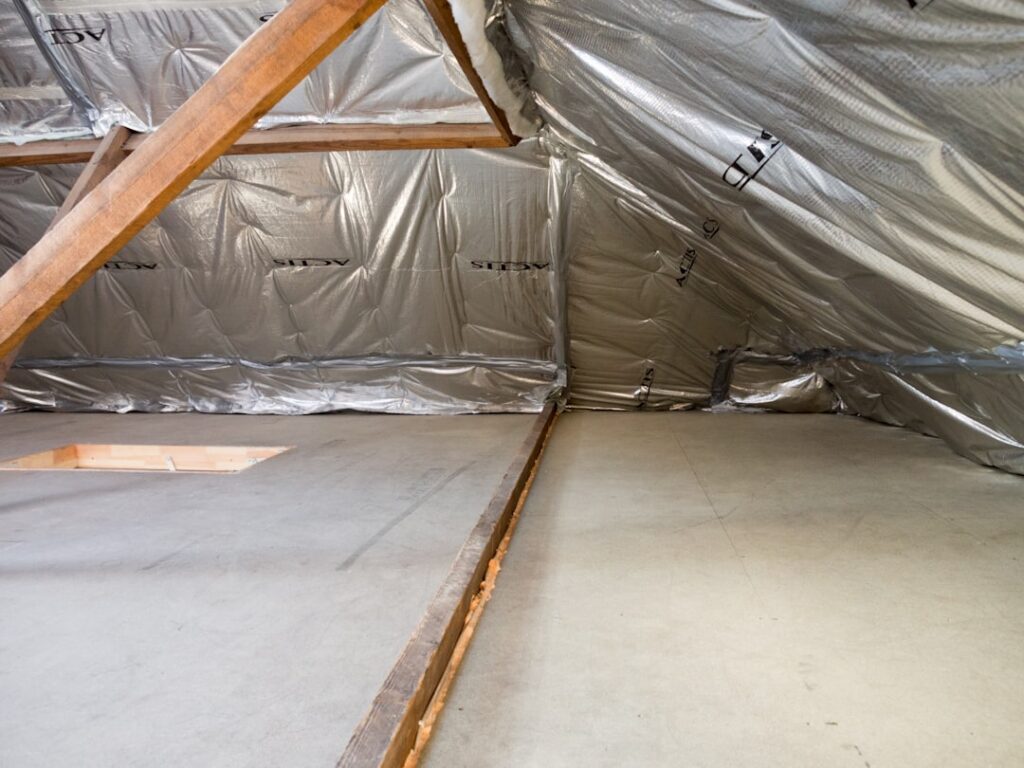
How Does Insulation Improve Energy Efficiency in Albany, NY Homes?
Effective insulation controls heat flow, keeping homes warmer in winter and cooler in summer. In Albany, NY, where winters are long and cold with frequent temperature swings, quality insulation can reduce energy use, lower utility bills, and make living spaces more comfortable year-round. By minimizing heat transfer through walls, attics, and basements, insulation also helps prevent ice dams and condensation, both common concerns in Northeast climates.
Which Types of Insulation Are Most Commonly Used in Albany Homes?
In local houses, the most-used insulation materials are fiberglass, cellulose, spray foam, and rigid foam boards. Each type has unique strengths suited for specific areas and situations.
Fiberglass Batts and Rolls
Fiberglass insulation, recognizable as pink or yellow blankets, remains a staple for attics, walls, and floors. It’s affordable, non-combustible, and relatively easy for DIY installation.
- Performs well when properly fitted with minimal gaps
- Loses efficiency if compressed, poorly installed, or exposed to moisture
- Can irritate skin and lungs, so protective equipment is needed during installation
Cellulose Insulation
Cellulose, made from recycled paper treated for fire resistance, is often blown into wall cavities or attics of older houses. It’s appreciated for its eco-friendly origins and effective air-sealing qualities.
- Fits irregular spaces well, making it a good choice for renovations
- Prone to settling over time, which can leave gaps if not installed at a proper density
- Absorbs moisture, so should not be used in damp situations without vapor barriers
Spray Foam Insulation
Spray foam expands to fill gaps and forms a strong air barrier, making it especially valuable in sealing up drafts in the city’s older homes. Two major types are used:
- Open-cell: Softer, provides sound dampening, but lower R-value (thermal resistance per inch)
- Closed-cell: Denser, acts as both insulation and vapor barrier, higher R-value, resists moisture
Spray foam can significantly boost energy efficiency but is more expensive and must be handled with care to prevent over-expansion or improper curing.
Rigid Foam Board Insulation
Rigid foam boards offer high insulation value in a slim profile. They’re useful for finishing basements, insulating exterior walls before siding, or combating thermal bridging in structural elements.
- Choices include expanded polystyrene (EPS), extruded polystyrene (XPS), and polyisocyanurate (Polyiso)
- Resistant to water damage, so effective for below-grade use
What R-Value Should Albany Residents Aim For?
The “R-value” measures how well a material resists heat flow: the higher the R-value, the more effective the insulation. In Albany’s climate, recommendations are:
- Attic: R-49 to R-60
- Walls: R-13 to R-21 (depending on wall assembly)
- Floors above unheated spaces: R-25 to R-30
Exceeding the minimum local building code is often worth it for long-term savings, but diminishing returns apply—each additional inch of insulation prevents less energy loss than the one before.
Are Certain Insulation Types Better for Old Homes Versus New Construction?
Older homes in Albany often have construction quirks that affect insulation choices. Retrofitting insulation can be complex because:
- Wall cavities may be irregular or partially filled
- Existing insulation may be deteriorated or missing
- Moisture and air leaks are common due to aged framing

Blown-in cellulose or spray foam usually fit best for retrofitting, filling spaces thoroughly and sealing air leaks. For new construction, walls can be designed to maximize R-value by combining several insulation types and integrating modern air barriers and vapor controls.
What Factors Should Guide Material Choices Beyond R-Value?
Beyond thermal performance, it’s wise to weigh other factors before choosing insulation. Key considerations for Albany homes include:
- Moisture resistance: Basements and crawlspaces can be damp; rigid foam and closed-cell spray foam don’t absorb water, reducing mold risk
- Fire safety: Cellulose is treated against flame; fiberglass doesn’t burn, but installation around electrical fixtures must be careful
- Air sealing: Gaps and cracks create drafts; spray foam and dense-packed cellulose offer superior air tightness
- Environmental impact: Cellulose uses recycled materials; fiberglass and foam are less green but more widely available
- Installation difficulty: Batts and boards allow for DIY, while spray foam requires experience due to chemical handling
Should Vapor Barriers Be Used with Insulation?
In climates like Albany’s, vapor barriers are sometimes necessary to prevent warm, moist indoor air from reaching cold surfaces within walls or attics, which can create condensation and mold. Local building codes address where these barriers are needed; most commonly, they’re installed on the “warm-in-winter” side of insulated assemblies, such as beneath drywall.
Ignoring vapor control can undermine insulation’s benefits and lead to costly repairs.
Are There Misconceptions About Insulation That Albany Residents Should Avoid?
Several frequent misunderstandings can lead to waste or disappointment:
- More is always better: Beyond a certain R-value, extra insulation brings small returns and can trap moisture if not ventilated properly.
- Insulation fixes all drafts: Air leaks must be sealed directly; not all insulation types stop airflow.
- Old insulation must always be removed: In some cases, it can be topped up if dry and in good shape; removal is needed if it’s wet, moldy, or infested.
Consulting local guidance or trusted building resources can help match insulation strategy to the specific house design and age.
How Does Insulation Work with Heating and Cooling Systems?
Proper insulation allows furnaces and air conditioners in area homes to run less often by maintaining indoor temperature. Upgrading insulation is often more cost-effective than replacing HVAC equipment, especially if existing systems are sized for higher heat loss. Good insulation also makes temperature more even between rooms, improving comfort and reducing “hot spots” or chilly areas typical in older Albany houses.