

 See My Latest Article on HelloNation
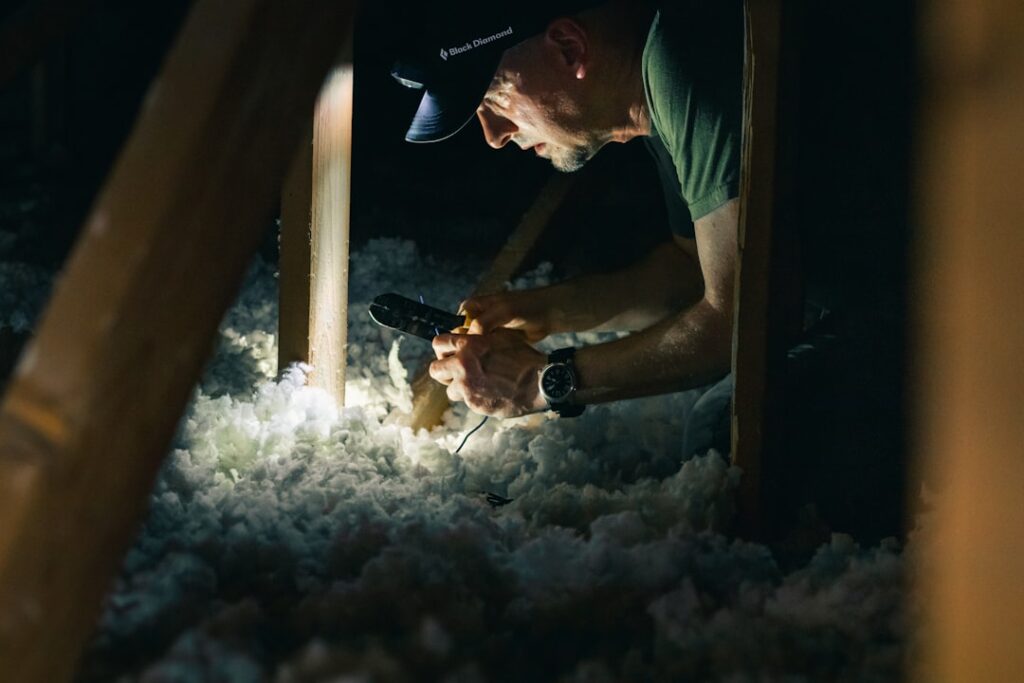
How Do Cellulose, Fiberglass, and Spray Foam Insulation Work in Albany, NY Homes?
Each insulation material creates a thermal barrier to slow heat transfer, but their forms, installation methods, and local performance can differ. In Albany, NY, residents rely on insulation not just for staying comfortable in winter and summer, but for energy savings and moisture control through wide-ranging seasonal weather.
- Cellulose is primarily made of recycled paper, treated for fire and pest resistance, and installed as loose fill or dense-pack.
- Fiberglass consists of spun glass fibers, commonly found in batts, rolls, or loose fill.
- Spray Foam is a liquid mixture sprayed in place, expanding to fill gaps and hardening into an air-sealing layer.
The effectiveness, environmental impact, and cost can be quite different depending on which material is chosen and where it’s used in a home.
Which Insulation Performs Best During Winters and Summers in Albany?
The differences are noticeable during long, cold winters and humid summers.
- Spray Foam stands out for its air-sealing qualities. It blocks drafts and limits moisture, making it valuable in older homes or attics with many gaps.
- Cellulose and fiberglass both insulate well, but neither fully stops air movement. In attics or walls with existing air leaks, this can mean less comfort or uneven temperatures.
R-values (a measure of insulation’s resistance to heat flow) generally compare as follows:
- Fiberglass batts: R-2.9 to R-3.8 per inch
- Cellulose (loose fill): R-3.2 to R-3.8 per inch
- Spray foam (closed-cell): R-6 to R-7 per inch
While higher R-values help in cold months, drafts and air leaks can matter just as much for real-world comfort. Homes with drafty attics or basements see the biggest improvement when air leaks are addressed in addition to the insulation layer itself.
Is One Insulation Type Better for Older or Newer Homes in Albany?
Older homes often have irregular framing, nonstandard cavities, or present unexpected challenges like knob-and-tube wiring. Cellulose is often used for retrofitting wall cavities in existing construction without major demolition. It can get into odd spaces and "flow" around obstacles when blown in, providing better coverage in unpredictable nooks than batts might.
Spray foam, with its expansion, can adapt to unusual framing and create a strong air seal around rough old lumber or stone foundations, but it must be applied with careful attention to ventilation and building code requirements.
In newer builds, interiors are more predictable, and any of the three can be used, often with a focus on achieving the target R-value and code compliance. Fiberglass batts remain popular for their low cost and straightforward installation when the building design is uniform.
What About Moisture, Mold, and Pest Concerns?
Albany’s seasonal freeze-thaw cycles and humidity mean insulation choices should consider moisture and mold risks.
- Cellulose is treated with borates to resist mold and pests, but if it becomes soaked from a roof leak, it may lose effectiveness and need to be replaced.
- Fiberglass is less tasty to insects but can capture moisture, leading to diminished performance or even mold growth if water is persistent.
- Spray foam resists both moisture intrusion and air leaks, reducing the risk of condensation inside wall cavities, but must be installed correctly. Trapped moisture behind poorly applied foam raises potential for hidden rot.
Proper ventilation, especially in attics and crawlspaces, helps any insulation choice remain effective. Insulation is most reliable when combined with local best practices around vapor barriers and structural airflow.
How Does Installation Process and Disruption Compare?
Homeowners in Albany may be concerned about how much disruption an insulation project will cause.
- Cellulose: Blown in through small holes in walls or loose-filled in attics. Usually minimal damage to finishes in retrofit applications. Dust can be an issue during installation, but clean-up is manageable.
- Fiberglass batts: Placed between studs or joists, easy for accessible spaces but more difficult in closed walls without tearing out drywall.
- Spray foam: Must be applied by trained professionals. Work areas need to be cleared, and ventilation during and after installation is essential—occupants usually need to stay out for a set period.
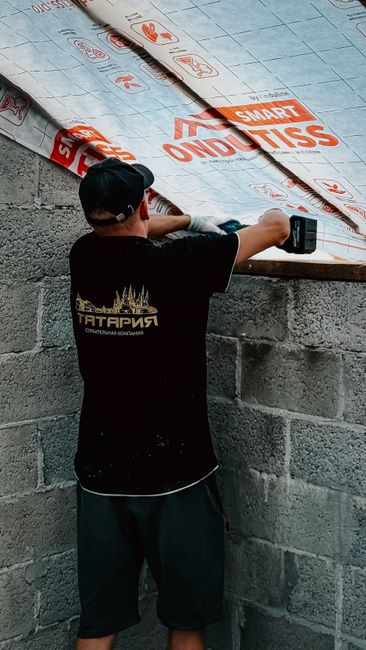
Retrofitting old walls usually favors blown-in cellulose or professional spray foam if air sealing is critical, while attic insulation jobs could use any of the above depending on goals and budget.
Are There Safety or Environmental Concerns with These Materials?
Most modern insulation options are safe for residents once installed, but there are differences:
- Cellulose has a low embodied energy (being recycled paper) and includes fire-retardant treatments. Some people may be sensitive to installation dust or borate compounds.
- Fiberglass may shed fibers during installation, which can irritate skin and lungs; wearing protective clothing and masks addresses this risk. Once enclosed, risk drops dramatically.
- Spray foam uses chemical ingredients that react and cure to form a solid barrier. Off-gassing can be a concern if not properly installed or cured. Closed areas should be ventilated for the recommended time post-installation.
During DIY or demolition activities, always avoid handling insulation without protection to minimize exposure to dust, fibers, or chemical residues.
Which Insulation Is Most Cost-Effective for Albany Homes?
Material costs, installation methods, and long-term energy savings should all be considered.
- Fiberglass is usually the least expensive upfront, especially for open crawlspaces, attics, or new construction.
- Cellulose can be similarly priced to fiberglass but may offer better coverage in irregular spaces and slightly better noise reduction.
- Spray foam is more expensive per square foot, but may lower energy bills further due to its combined insulation and air-sealing qualities—especially in drafty, older housing.
For homeowners on a budget, adding extra blown-in cellulose or fiberglass to the attic is a common step to improve comfort without major costs. Higher prices for spray foam can be justified when air leakage is a persistent source of cold drafts, but may not be necessary if the home is already tight.
What Are Common Misconceptions About These Insulation Types?
- Cellulose is not a fire hazard when properly treated.
- Fiberglass is not waterproof—if it gets wet, it can lose effectiveness and may support mold.
- Spray foam does not solve every comfort issue; correct installation is critical, and improper use can block necessary ventilation or impact indoor air quality.
It’s easy to assume higher-cost options guarantee better results, but careful attention to installation quality, air sealing, and matching the insulation method to the structure’s needs is just as important for Albany residents.